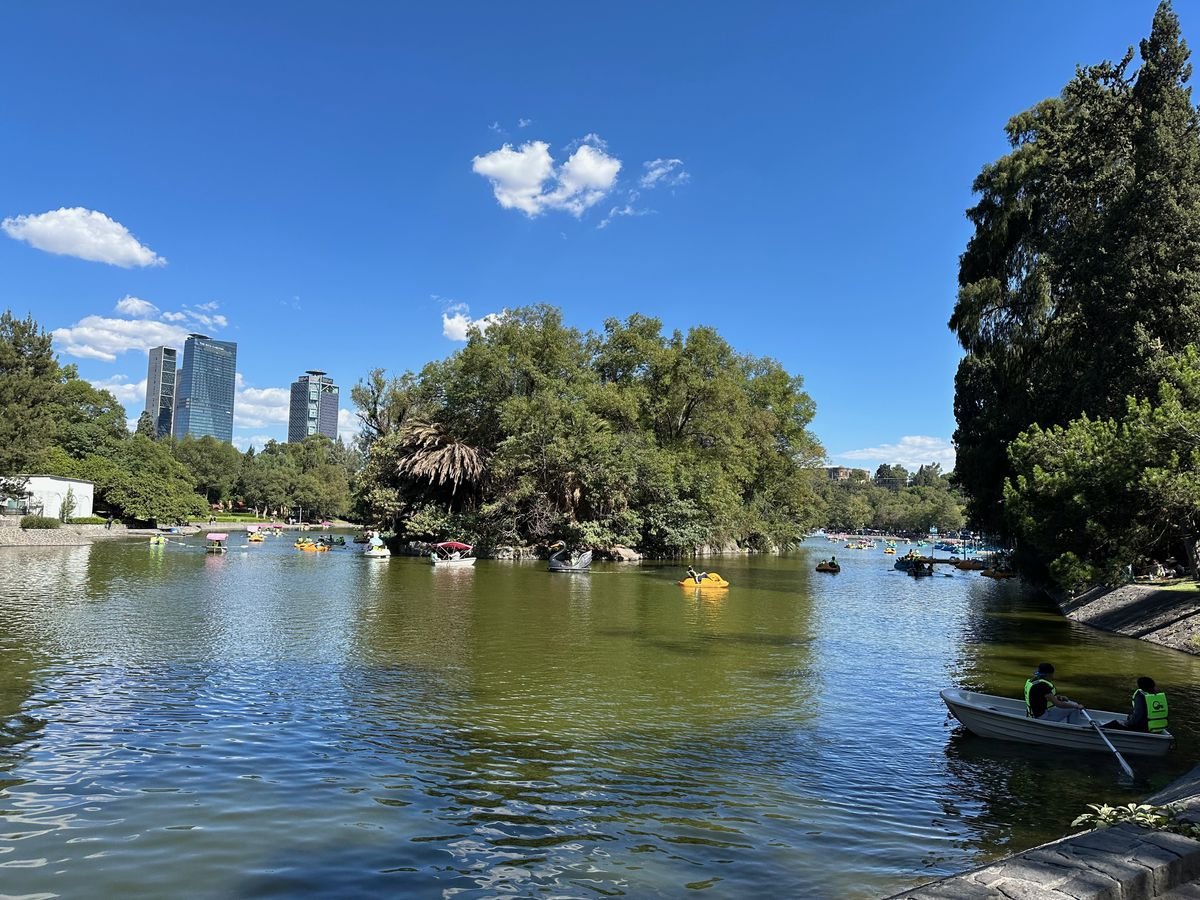
I’m Ed. I moved to Mexico City without a return ticket, and that was five years ago.
People ask me all the time how that happened. The honest answer is I don’t fully know. The first time I ever set foot in Mexico I was eight years old — my family crossed the border into Tijuana on a whim during a trip to LA. I walked around for 15 minutes, decided it was terrifying, and didn’t think about it again for over a decade.
Then in 2018, a few friends and I came down on vacation. Something clicked. I couldn’t explain it then and I still can’t really explain it now — I just knew I really, really liked it here. I started coming back every chance I got. Then Covid hit, everything back home went sideways, and I thought: why not just go?
So I did. And I stayed.
The thing people want to know is why. The best way I can put it: I like who I am here. I like how time moves slower. I like that people are genuinely warm in a way I never experienced back home. I like that the food — not the famous restaurants, just the random taco stand on your corner where a 7-peso ($0.35 USD) taco is the best thing you’ve ever eaten — is incredible. Mexico City is a big, loud, beautiful, complicated place, and every day I find something new in it.
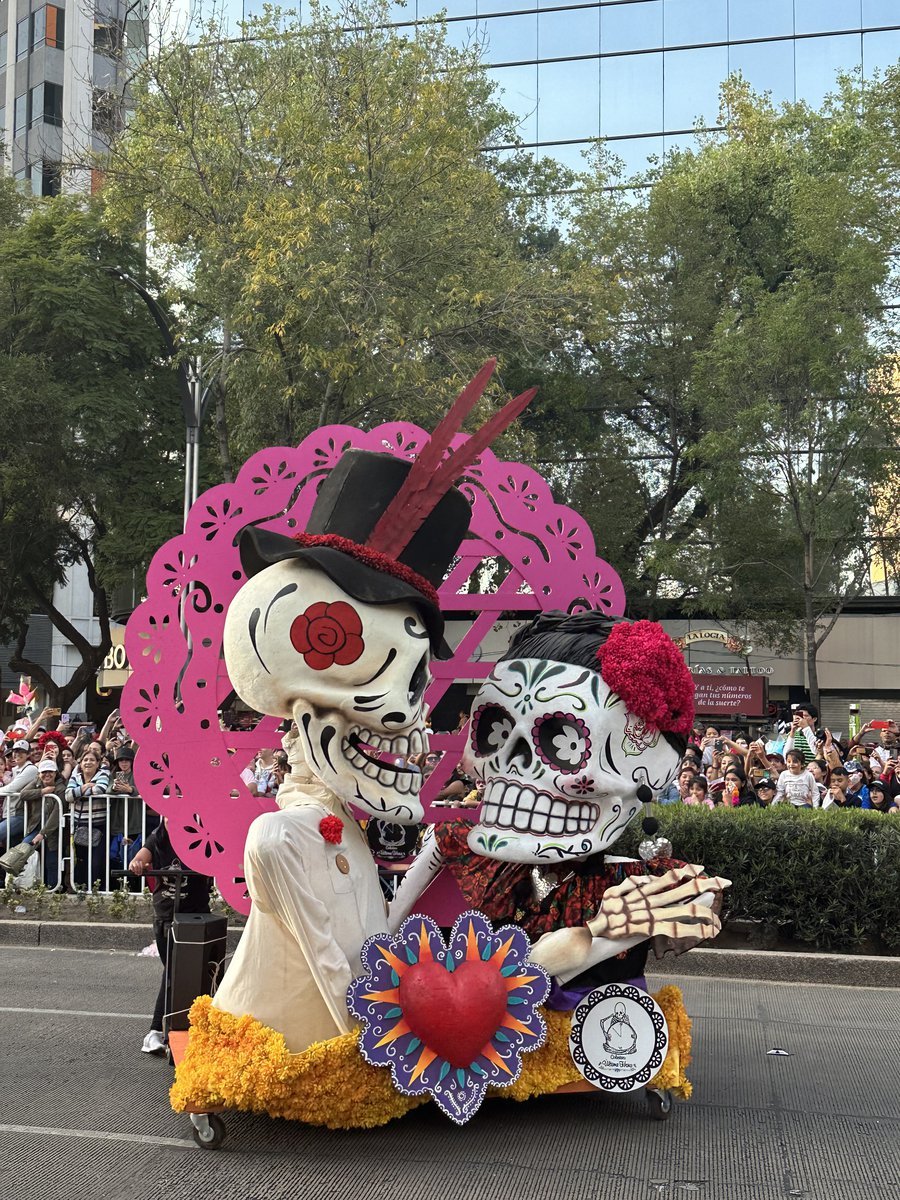
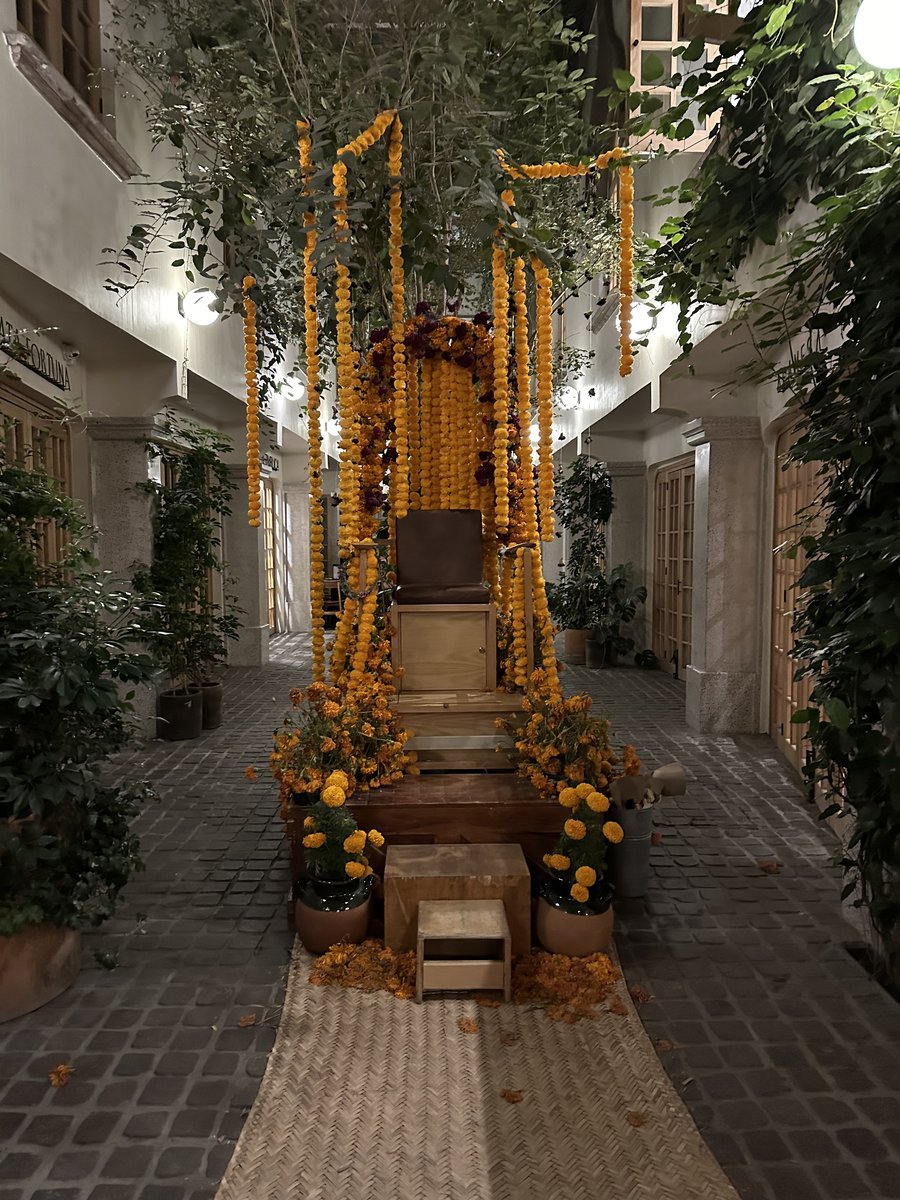
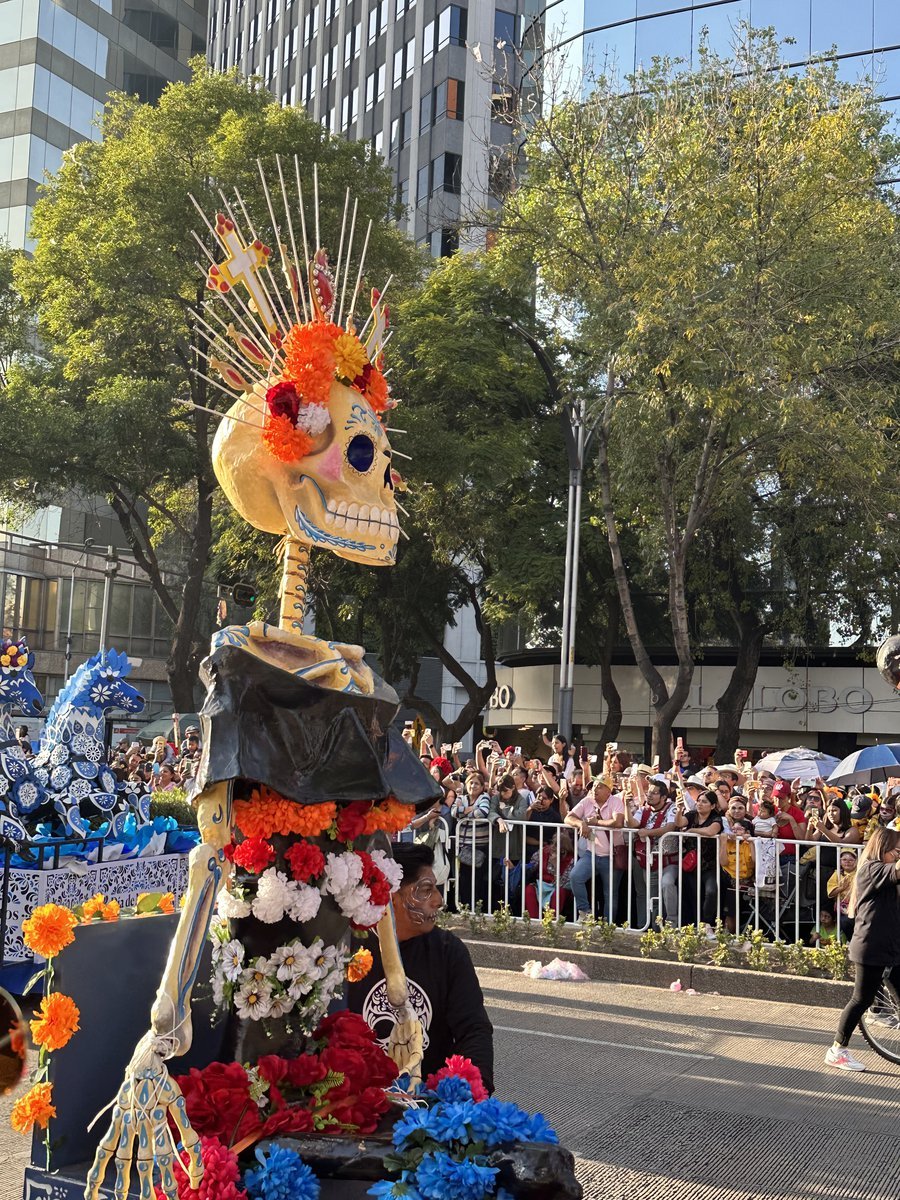
Día de Muertos on Reforma
What This Is
café y conchas is the blog I wished existed when I first got here — one that goes past the tourist checklist and into the everyday. The tianguis that sets up on your block every Tuesday. The comida corrida spot where lunch costs 85 pesos and comes with agua de jamaica and a soap opera playing in the corner. The neighborhood where the jacarandas bloom first every February.
I write about the Mexico City I actually live in, not the one in the guidebooks.
What You’ll Find Here
Neighborhoods. I’ve lived in a few different colonias across the city — started in Hipódromo, moved through Roma Norte, Juárez, Cuauhtémoc, Condesa and then bounced around to Del Valle and Nápoles. Every colonia has its own rhythm, and I try to capture that — where to eat, where to walk, what it actually feels like to live there.
Markets. CDMX has over a thousand tianguis — open-air markets that pop up on different days across the city. Vintage jackets for 200 pesos, handmade ceramics, bootleg DVDs next to a mountain of fresh mamey, even popup bars with cheap drinks. I had a hard time finding good information on them, so I built an interactive map to track them all.
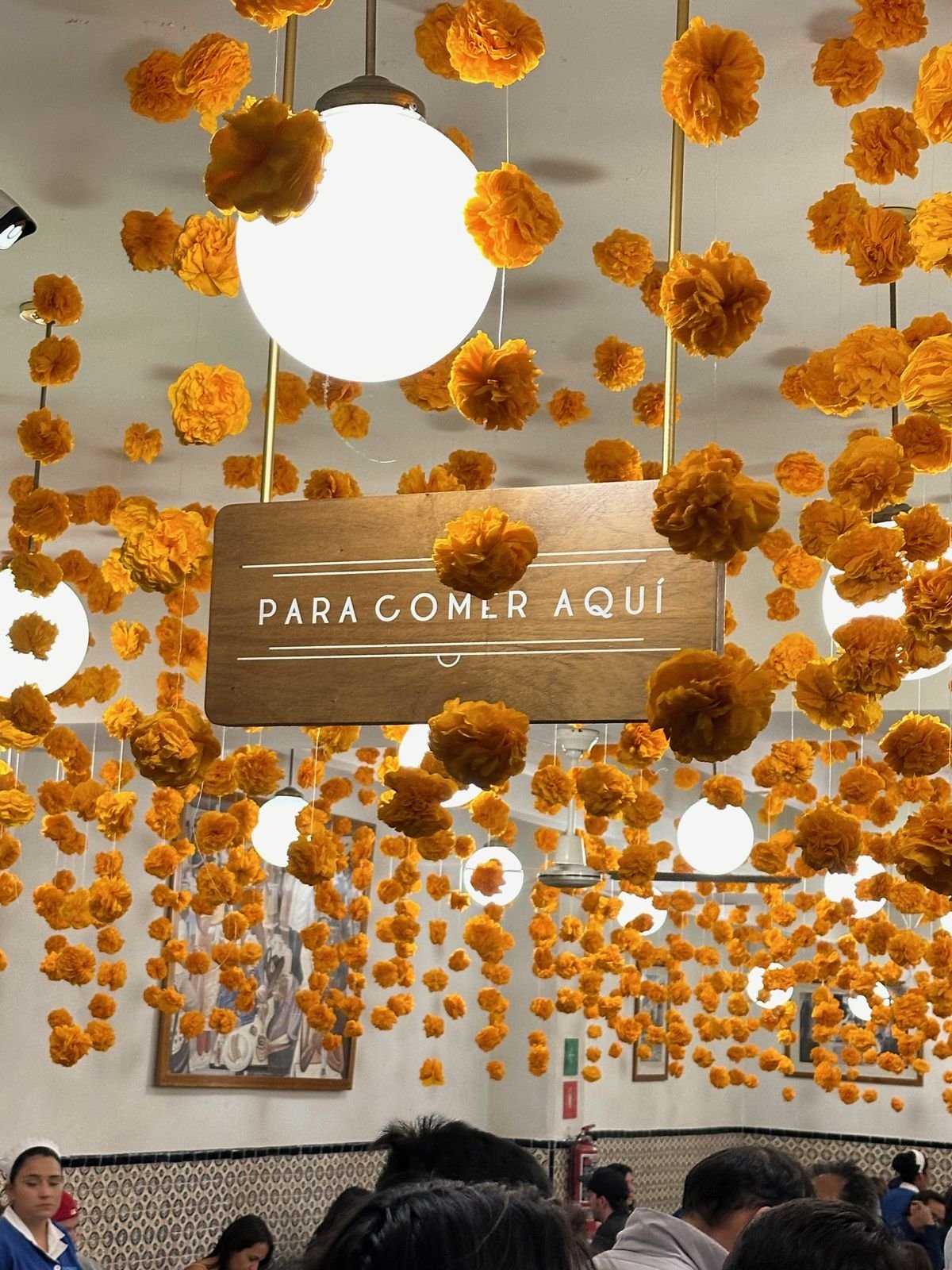
Food. From 7-peso street tacos at 3 AM to tasting menus with mole madre, this city’s food scene is relentless. I eat my way through it so you don’t have to guess.
Events. Día de Muertos parades, alebrije processions down Reforma, gallery openings in San Rafael — there’s always something happening. I round up the best of it in a weekly news digest.
The Name
A concha is a sweet bread — the round one with the shell-shaped sugar crust that you find at every bakery in Mexico. Café y conchas is what you have on a slow Sunday morning when there’s nowhere to be. It’s the opposite of a hustle. It’s the reason I stayed.
Get in Touch
I love hearing from people — whether you’re planning a move, already here, or just curious. Drop me a line at hello@cdmxliving.com or find me on Instagram.